The rise of modern gastropubs has reshaped the way people experience casual dining, and few concepts capture this evolution better than the pint shop restaurant. Known for combining craft beer culture with simple yet refined British cuisine, Pint Shop has established itself as more than just a place to eat — it represents a revival of traditional beerhouse hospitality adapted for contemporary tastes. With a focus on quality ingredients, social atmosphere, and a strong drinks program, the pint shop restaurant concept has gained recognition among food lovers, craft beer enthusiasts, and casual diners alike.
A Fresh Take on the Traditional Beerhouse
The pint shop restaurant draws inspiration from historic British beerhouses of the nineteenth century, where communities gathered for drinks, conversation, and hearty meals. Unlike traditional pubs that relied heavily on standard bar fare, Pint Shop introduced a modern interpretation of the beerhouse by emphasizing seasonal menus and curated craft beverages. The goal was to create an environment that felt relaxed and familiar while still offering a dining experience that felt elevated.
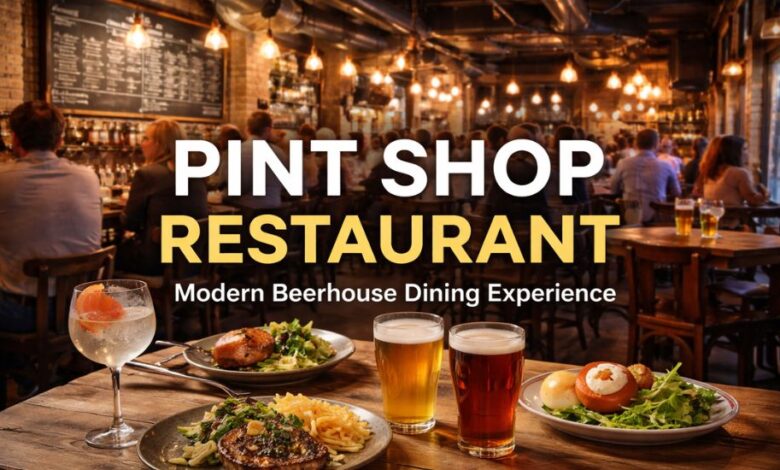
The interior design often reflects this philosophy. Many pint shop restaurant locations feature natural wood furniture, simple industrial décor, and an open, welcoming layout. The spaces are designed to encourage social interaction rather than formal dining, allowing guests to enjoy a drink at the bar before moving to a table for a full meal. This balance between casual and refined has helped the brand attract a wide audience, from young professionals to families and tourists.
The Philosophy Behind “Meat, Bread, and Beer”
One of the defining aspects of the pint shop restaurant is its straightforward food philosophy. Instead of an overly complicated menu, the concept focuses on a few core elements — quality meat, freshly baked bread, and expertly selected beer. This minimalistic approach allows chefs to concentrate on flavor and technique, resulting in dishes that feel comforting yet thoughtfully prepared.
Charcoal grilling is a central part of the kitchen’s identity. Many menu items are cooked over open flames, giving meats and vegetables a smoky depth that distinguishes them from typical pub dishes. The menu frequently changes to highlight seasonal produce, ensuring that returning guests always find something new to try. Popular offerings often include beer-brined chicken, slow-roasted pork belly, grilled kebabs, and inventive vegetarian plates.
Craft Beer Culture at the Core
While the food plays a major role, the pint shop restaurant truly stands out because of its dedication to craft beer. Instead of relying on mass-produced brands, the establishment showcases a rotating selection of local and international brews. Guests can explore different styles, from hoppy IPAs to rich stouts and refreshing lagers. This ever-changing beer list creates a dynamic experience, encouraging customers to discover new flavors during each visit.
The drinks menu usually extends beyond beer, offering an impressive gin selection and carefully chosen wines. Many pint shop restaurant locations are known for featuring dozens of gin varieties, reflecting the growing popularity of craft spirits. Bartenders often help guests pair drinks with specific dishes, adding a personalized element to the overall dining experience.
Balancing Casual Dining with Culinary Quality
A key reason for the success of the pint shop restaurant model is its ability to merge casual dining with chef-driven cooking. While the atmosphere remains relaxed, the food quality rivals that of more formal restaurants. This balance has become increasingly important in today’s hospitality industry, where diners seek both comfort and creativity.
The kitchen teams often focus on British ingredients while incorporating modern techniques. For example, traditional dishes might be reimagined with bold flavors or contemporary presentation. This approach keeps the menu accessible without feeling predictable, appealing to both adventurous food lovers and guests who simply want a satisfying meal.
Atmosphere and Customer Experience
Walking into a pint shop restaurant usually feels like entering a lively social hub. The open layout, communal tables, and warm lighting create an inviting environment that encourages guests to linger. Unlike traditional restaurants where dining is the sole focus, the pint shop concept allows customers to move freely between drinking and eating spaces.
Music, friendly service, and a bustling bar area all contribute to the energy of the venue. Many visitors appreciate that they can enjoy a quick drink with friends or settle in for a full evening of food and conversation. This versatility has helped the brand maintain popularity in competitive urban dining scenes.
Growth, Expansion, and Challenges
As the pint shop restaurant gained recognition, expansion into new cities became a natural step. Opening additional locations allowed the brand to introduce its beerhouse concept to broader audiences. However, like many hospitality ventures, growth came with challenges. Market conditions, changing consumer habits, and the costs associated with operating large restaurant spaces forced the brand to rethink aspects of its expansion strategy.
Despite these obstacles, the pint shop restaurant remains a strong example of how traditional pub culture can evolve to meet modern expectations. By focusing on quality and authenticity rather than rapid expansion, the concept continues to resonate with diners seeking a relaxed yet memorable experience.
Why Pint Shop Stands Out in the Modern Dining Scene
In an era dominated by fast-casual chains and highly specialized restaurants, the pint shop restaurant occupies a unique middle ground. It offers the warmth and familiarity of a pub while delivering the creativity and craftsmanship of a contemporary kitchen. This combination has helped the brand build a loyal following among guests who value both good food and good company.
Another factor that sets Pint Shop apart is its emphasis on community. The rotating beer selection often highlights local breweries, fostering connections between producers and customers. Seasonal menus also reflect a commitment to sustainability and responsible sourcing, aligning with current dining trends that prioritize quality over quantity.
The Future of Pint Shop Restaurants
Looking ahead, the pint shop restaurant model reflects broader changes in the hospitality industry. Diners increasingly prefer experiences that feel authentic, social, and flexible rather than overly formal. Concepts that combine strong beverage programs with approachable food are likely to remain popular as consumer expectations continue to evolve.
By staying true to its core identity — simple food, excellent drinks, and a welcoming atmosphere — Pint Shop demonstrates how a restaurant can honor tradition while embracing innovation. Whether someone visits for craft beer, charcoal-grilled dishes, or a lively night out with friends, the experience captures the essence of modern British dining.
As food culture continues to shift toward experiences that prioritize connection and creativity, the pint shop restaurant stands as a reminder that sometimes the simplest ideas have the strongest impact. The blend of heritage and modernity has helped the concept remain relevant, offering guests a place where they can relax, explore new flavors, and enjoy a sense of community.
This detailed overview of the pint shop restaurant concept is presented as part of the food and hospitality insights shared on the blog site “Technologies Era,” where readers can discover discussions about modern dining trends, restaurant culture, and evolving culinary experiences. By exploring concepts like Pint Shop, Technologies Era aims to highlight how traditional ideas can be reimagined to meet the expectations of today’s diners.
You may also read: Inside Barnacles Hinckley Restaurant Experience