Melton Mowbray Market stands as one of the most historic and vibrant marketplaces in England, blending centuries-old agricultural traditions with a modern shopping and cultural experience. Located in the market town of Melton Mowbray in Leicestershire, the market has long served as a focal point for farmers, traders, artisans, and visitors seeking authentic rural charm. From livestock auctions to artisan food stalls and antique fairs, the market continues to evolve while preserving its deep connection to British heritage.
A Market Rooted in History
The story of Melton Mowbray Market stretches back more than a thousand years. Historical records show that the town was already recognised as a significant trading centre during the Domesday era, and a royal charter granted in the 14th century officially established Tuesday as market day. Over time, the market grew alongside the region’s agricultural economy, becoming a meeting place where farmers sold livestock, merchants traded goods, and communities gathered.
The current market site, established in the late 19th century, reflects the industrial expansion of that period. Purpose-built facilities allowed for larger livestock sales and better infrastructure, helping the market develop into one of the most prominent rural trading hubs in the United Kingdom. Even today, visitors can sense the historical atmosphere, as traditional auction rings and agricultural buildings remain at the core of the complex.
The Heart of Britain’s Livestock Trade
One of the defining features of Melton Mowbray Market is its reputation as a major livestock centre. Weekly sheep sales, cattle auctions, and regular pig markets attract farmers from across the country. These events are not only commercial gatherings but also social occasions where generations of farming families reconnect and exchange knowledge.
The livestock market plays a crucial role in supporting rural economies. Farmers rely on these auctions to showcase the quality of their animals and maintain fair trading standards. For visitors unfamiliar with agricultural life, witnessing a live auction offers a rare glimpse into traditional farming culture, complete with auctioneers’ rapid calls and the lively buzz of buyers negotiating prices.
Farmers Markets and Local Produce
Beyond livestock trading, Melton Mowbray Market is celebrated for its thriving farmers markets. The town itself is often referred to as the “Rural Capital of Food,” and the market proudly reflects this reputation. Stalls feature locally sourced meat, fresh vegetables, artisan cheeses, baked goods, and handmade delicacies that highlight the richness hookup region’s farming landscape.
Food lovers are especially drawn to the market’s connection with famous regional specialties such as Melton Mowbray pork pies and Stilton cheese. Many independent producers use the market as a platform to promote sustainable farming and seasonal produce, making it a hub for food enthusiasts seeking authentic flavors.
The farmers markets also support small businesses and encourage community engagement. Visitors can chat directly with growers and artisans, learning about the origins of their food and the stories behind each product. This personal connection between producer and customer is a defining feature that sets traditional markets apart from modern supermarkets.
Antiques, Vintage Finds, and Sunday Markets
While agriculture remains central to Melton Mowbray Market, its appeal extends far beyond farming. Antiques and collectibles markets attract collectors and treasure hunters searching for unique items, from vintage furniture and retro clothing to rare memorabilia. These markets bring a different energy to the site, transforming it into a bustling marketplace filled with nostalgia and discovery.
Sunday markets and car boot sales add another layer of diversity, offering affordable goods and a relaxed atmosphere for families and casual shoppers. For many visitors, these events provide an opportunity to browse for bargains while enjoying a day out in a historic setting.
The combination of traditional livestock sales and modern retail experiences ensures that Melton Mowbray Market appeals to a wide audience. Whether someone is a farmer, collector, tourist, or local resident, there is always something happening at the market.
The Town Street Market Experience
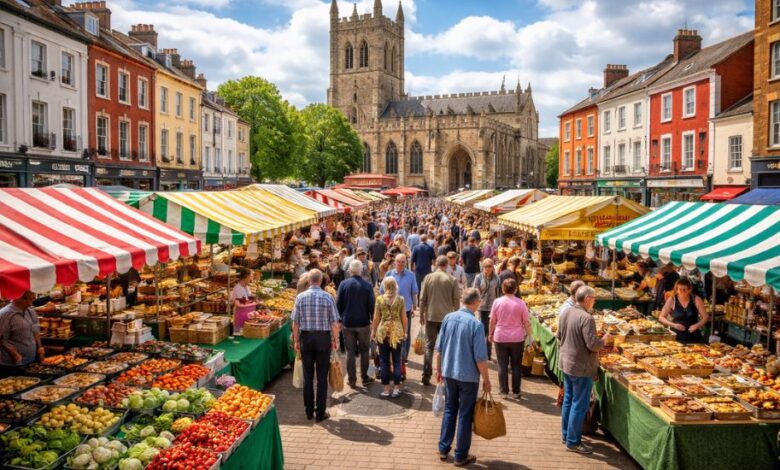
In addition to the main market complex, Melton Mowbray’s town centre hosts regular street markets that contribute to the area’s lively character. Held several times a week, these markets feature clothing stalls, crafts, street food, and everyday household items. The pedestrian-friendly layout creates a welcoming environment where shoppers can explore at their own pace.
Recent efforts to revitalise the street market have introduced new branding, entertainment, and community events designed to attract younger audiences. Live music, themed markets, and seasonal celebrations help keep the tradition alive while adapting to modern expectations.
For visitors, the street market provides an opportunity to explore the town beyond the livestock mart. Independent cafés, bakeries, and local shops line the streets, creating a vibrant atmosphere that blends history with contemporary culture.
Tourism and Community Importance
Melton Mowbray Market is more than just a place to buy and sell goods; it is a cornerstone of the local community. Each year, hundreds of thousands of visitors pass through the market complex, contributing to the town’s economy and tourism appeal. The market hosts festivals, food events, and exhibitions that celebrate regional heritage and attract travelers from across the UK and beyond.
Tourism blogs often describe the market as a unique destination where visitors can experience authentic rural England. Unlike modern shopping centres, the market retains a strong sense of tradition, with friendly traders, lively auctions, and a welcoming atmosphere.
The market’s adaptability has been key to its longevity. By incorporating event spaces, artisan markets, and family-friendly activities, it has managed to remain relevant in a rapidly changing retail landscape. This balance between heritage and innovation ensures that Melton Mowbray Market continues to thrive in the 21st century.
Modern Developments and Future Vision
As consumer habits evolve, markets across the UK face new challenges, and Melton Mowbray Market is no exception. However, ongoing redevelopment and marketing initiatives aim to secure its future. Upgraded facilities, digital promotion, and partnerships with local businesses help attract new audiences while maintaining the traditional charm that defines the market.
The rise of food tourism has also played a significant role in the market’s growth. Visitors increasingly seek authentic culinary experiences, and Melton Mowbray’s strong agricultural identity makes it an ideal destination. By promoting local producers and hosting specialty markets, the town continues to strengthen its reputation as a leading food hub.
Sustainability is another focus for the future. Many traders are embracing eco-friendly practices, reducing packaging waste, and supporting ethical farming methods. These changes not only appeal to modern consumers but also reinforce the market’s long-standing connection to the land and community.
Why Melton Mowbray Market Still Matters Today
In an age dominated by online shopping and large retail chains, traditional markets hold a special cultural value. Melton Mowbray Market represents more than commerce; it embodies history, community, and the enduring spirit of rural England. The sound of auctioneers, the aroma of freshly baked goods, and the sight of bustling stalls create an atmosphere that cannot be replicated in digital spaces.
For visitors, the market offers a chance to step back in time while enjoying contemporary experiences. For locals, it remains a vital gathering place that supports livelihoods and strengthens community ties. Its ability to evolve while preserving tradition makes Melton Mowbray Market a remarkable example of how historic markets can thrive in the modern world.
As highlighted on blog platforms such as Technologies Era, destinations like Melton Mowbray Market demonstrate how heritage locations can remain relevant through innovation, storytelling, and community engagement. The market’s long history, diverse offerings, and strong local identity ensure that it will continue to attract visitors for generations to come.
You may also read: Stafford Gatehouse: History, Theatre & Cultural Significance