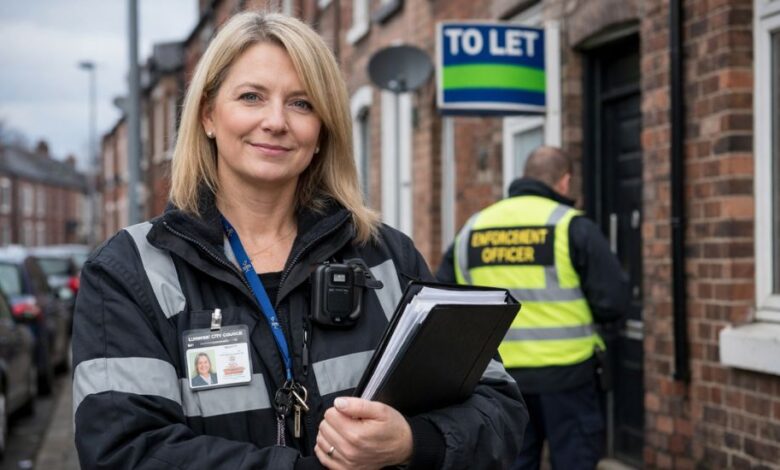
In today’s evolving housing landscape, professionals who work behind the scenes to ensure safety, fairness, and compliance rarely receive the public attention they deserve. One such figure is Gill Wills, a housing enforcement specialist whose work within local government has contributed to raising standards in the private rental sector. Known for her role in landlord licensing and tenant protection, Wills represents a growing group of public-sector professionals focused on balancing legal enforcement with community wellbeing. Her journey from early housing roles to senior enforcement leadership reflects both dedication and the increasing importance of regulation in modern urban living.
Early Career and Professional Foundations
Gill Wills’ career began in social housing, where she worked in customer-focused positions that required strong communication skills and a deep understanding of tenant concerns. These early experiences provided her with firsthand exposure to the challenges people face when navigating housing systems. Rather than approaching enforcement purely from a legal standpoint, Wills developed an appreciation for the human side of housing — an understanding that would later shape her professional philosophy.
Working closely with residents, she handled inquiries, complaints, and support cases that ranged from property maintenance issues to disputes between tenants and landlords. This foundation helped her build skills in negotiation, problem-solving, and policy interpretation. More importantly, it introduced her to the realities of housing inequality and the importance of clear standards in rental environments.
Transition Into Community Safety and Enforcement
As her career progressed, Gill Wills moved into more specialized roles focused on community safety and housing regulation. Serving as a Community Safety Advisor, she dealt with complex cases involving antisocial behavior, legal compliance, and tenant welfare. This phase marked a turning point in her professional journey, as she began working more directly with enforcement frameworks and housing legislation.
The role demanded collaboration with legal teams, housing associations, and local authorities, giving her deeper insight into how policy translates into real-world action. She learned to navigate legal procedures while maintaining empathy for individuals affected by enforcement decisions. This balance between authority and understanding became one of her defining professional traits.
Joining Liverpool City Council and the Landlord Licensing Program
Around the mid-2010s, Gill Wills joined Liverpool City Council as part of the Landlord Licensing Team, a department created to improve standards in privately rented housing. The licensing scheme required landlords to register properties, meet safety guidelines, and maintain acceptable living conditions for tenants. Wills’ work involved inspecting properties, identifying non-compliance issues, and ensuring that landlords fulfilled their legal responsibilities.
Her day-to-day responsibilities included reviewing documentation, conducting on-site inspections, and working with landlords to address safety concerns such as overcrowding, structural hazards, and inadequate facilities. Through these efforts, she contributed to improving housing quality across various neighborhoods.
The role was not without challenges. Enforcement officers often face resistance from property owners or encounter complicated legal cases that require patience and persistence. Wills became known for her methodical approach — combining detailed investigation with clear communication to achieve practical solutions.
Promotion to Senior Enforcement Officer
In recognition of her growing expertise and leadership skills, Gill Wills was promoted to Senior Enforcement Officer. This advancement expanded her responsibilities beyond individual inspections to include strategic planning and team coordination. She began overseeing complex investigations, mentoring colleagues, and helping shape enforcement policies that aligned with broader housing objectives.
As a senior officer, she dealt with high-risk cases involving unlicensed properties or repeated violations of housing standards. Her work required balancing enforcement with education, ensuring that landlords understood both their legal obligations and the importance of maintaining safe homes. The promotion also reflected her ability to manage pressure and make fair, evidence-based decisions in challenging situations.
Impact on Housing Standards and Community Wellbeing
One of the most significant aspects of Gill Wills’ career is the impact her work has had on housing conditions. Enforcement officers often play a critical role in protecting vulnerable tenants, many of whom may be unaware of their rights or hesitant to report unsafe living conditions. By conducting inspections and following through with enforcement actions when necessary, Wills has contributed to raising accountability within the private rental sector.
Her efforts support broader goals such as reducing health risks associated with poor housing, improving neighborhood safety, and promoting ethical landlord practices. The work may not always be visible to the public, but its effects can be seen in safer homes, improved property standards, and stronger relationships between local authorities and communities.
Challenges in Modern Housing Enforcement
Housing enforcement is a field that constantly evolves due to changing legislation, economic pressures, and shifting demographics. Professionals like Gill Wills must stay updated on new regulations while adapting to emerging challenges such as rising rental demand, housing shortages, and increased urbanization. Legal processes can be lengthy, and achieving compliance often requires persistence and collaboration.
Another challenge involves maintaining fairness. Enforcement officers must ensure that regulations are applied consistently while considering individual circumstances. This responsibility requires both technical knowledge and emotional intelligence, as decisions can significantly affect landlords, tenants, and entire communities.
Leadership Style and Professional Values
Colleagues and industry observers often highlight Wills’ practical and balanced leadership style. Rather than focusing solely on punitive measures, she emphasizes education and cooperation whenever possible. This approach reflects a broader shift in housing enforcement, where authorities aim to encourage compliance through guidance as well as regulation.
Her career demonstrates the importance of adaptability. Starting in customer service and moving into enforcement leadership shows how diverse experiences can contribute to effective public service. By combining technical expertise with strong interpersonal skills, she represents a model for professionals entering the housing sector.
The Future of Housing Enforcement
As housing policies continue to evolve, the role of enforcement officers is expected to become even more critical. Governments are introducing stricter regulations to address safety concerns, environmental standards, and tenant rights. Professionals like Gill Wills are likely to play a key role in implementing these changes, ensuring that policies translate into meaningful improvements for residents.
Looking ahead, technology may also influence enforcement practices. Digital inspection tools, data-driven risk assessments, and improved communication platforms could make processes more efficient and transparent. Experienced officers who understand both traditional enforcement methods and modern innovations will be essential in guiding this transition.
Conclusion
Gill Wills’ professional journey highlights the vital yet often overlooked work of housing enforcement officers. From her beginnings in social housing to her leadership role within a major city council, she has demonstrated commitment to improving living standards and promoting fair housing practices. Her career shows how dedication, empathy, and expertise can combine to make a lasting difference in communities.
Profiles of professionals like Wills offer valuable insight into the complex world of housing regulation — a field that affects millions of people but rarely receives widespread attention. As conversations around housing quality and tenant rights continue to grow, stories like hers provide an important reminder of the individuals working tirelessly behind the scenes to protect public wellbeing. This article is prepared for readers interested in professional journeys, public-sector leadership, and housing reform discussions often explored on blogs such as Technologies Era.
You may also read: The Engineering Journey of Darwin Thomas Meprethu