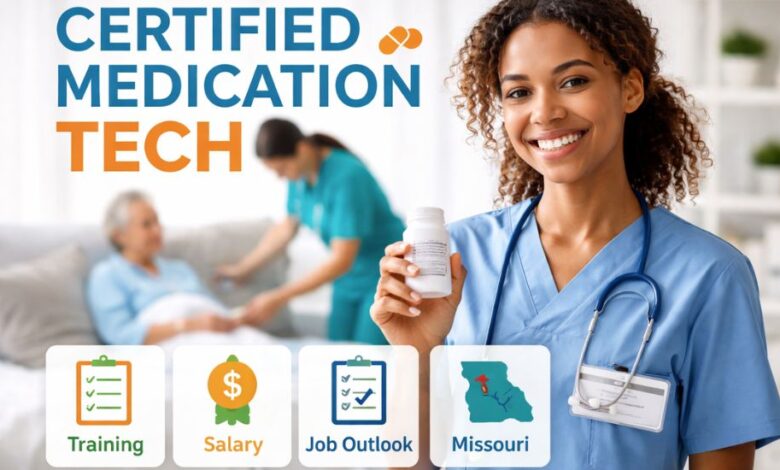
The healthcare industry continues to grow rapidly, creating new career paths for individuals who want to work in patient care without becoming a nurse or doctor. One such career is that of a Certified Medication Technician (CMT), also known in some states as a Medication Aide or Medication Technician. This role plays a critical part in long-term care facilities, assisted living centers, and group homes by helping ensure that patients receive their medications safely and correctly.
In this comprehensive guide, we will explore everything you need to know about becoming a certified medication tech, including training options, job responsibilities, salary expectations, online courses, and state-specific requirements such as those in Missouri.
What Is a Certified Medication Technician?
A Certified Medication Technician (CMT) is a trained healthcare professional who assists licensed nurses in administering medications to patients or residents. CMTs work under the supervision of Registered Nurses (RNs) or Licensed Practical Nurses (LPNs) and are responsible for preparing, administering, and documenting certain medications according to state laws and facility policies.
Certified medication technicians typically work in:
-
Nursing homes
-
Assisted living facilities
-
Rehabilitation centers
-
Group homes
-
Long-term care facilities
-
Home healthcare agencies
Their role helps reduce the workload of nurses while ensuring patients receive accurate and timely medication.
Certified Medication Tech Job Description
The certified medication tech job description may vary by state and employer, but common responsibilities include:
-
Administering oral, topical, inhaled, and sometimes injectable medications (depending on state regulations)
-
Recording medication administration in patient charts
-
Monitoring patients for side effects or adverse reactions
-
Reporting any medication errors or health changes to nurses
-
Maintaining medication storage areas and carts
-
Ensuring proper dosage and timing of medications
-
Following infection control and safety protocols
-
Assisting with vital signs and basic patient care tasks
CMTs must be detail-oriented, compassionate, and capable of following strict medical guidelines. Their role directly impacts patient safety and quality of care.
Certified Medication Tech Course and Training Requirements
To become a certified medication tech, you must complete a state-approved certified medication tech course. These programs are designed to teach students about:
-
Medication types and classifications
-
Safe medication administration
-
Dosage calculations
-
Documentation and record-keeping
-
Infection control
-
Patient rights and ethics
-
Recognizing side effects and emergencies
Course Length
The length of training varies by state and provider. Programs may range from:
-
Short programs of 20–40 hours
-
Full programs lasting several weeks (often 60–120 hours total)
Some states require candidates to already be a Certified Nursing Assistant (CNA) before enrolling in a medication technician program.
Certified Medication Technician Training Online
Many students look for Certified Medication Technician training online due to convenience and flexibility. Online programs often include:
-
Virtual classroom instruction
-
Video demonstrations
-
Interactive quizzes
-
Final exams
-
Digital study materials
However, most states still require some form of in-person skills assessment or clinical practice. Therefore, while coursework may be completed online, hands-on competency testing is usually mandatory.
Online training is ideal for:
-
Working adults
-
CNA professionals seeking advancement
-
Rural learners without local schools
-
Students who need flexible schedules
Before enrolling, students should verify that the program is approved by their state’s health department or Board of Nursing.
How to Become a Certified Medication Tech
Although requirements vary by state, the general steps for how to become a certified medication tech are:
-
Meet eligibility requirements
-
Minimum age (usually 18)
-
High school diploma or GED
-
Clean background check
-
CNA certification (in some states)
-
-
Enroll in a state-approved training program
-
Classroom or online coursework
-
Skills training and competency testing
-
-
Pass the certification exam
-
Written test
-
Practical demonstration of medication administration
-
-
Register with the state registry
-
Some states require official registration before working
-
-
Maintain certification
-
Continuing education
-
Renewal every 1–2 years depending on state rules
-
This pathway allows healthcare workers to advance their careers quickly without spending years in nursing school.
Certified Medication Tech Salary
The certified medication tech salary depends on location, experience, employer, and shift schedules. According to job market data from major employment websites:
-
Average annual salary: $39,000 – $46,000 per year
-
Hourly wage range: $15 – $23 per hour
-
Higher wages for night shifts, weekends, and specialty care
Factors that affect salary include:
-
State regulations
-
Facility type (private vs public)
-
Years of experience
-
Certification level
-
Demand in local job market
Certified medication technicians often earn more than CNAs and less than LPNs, making it a good mid-level healthcare career option.
Certified Medication Technician Jobs and Career Outlook
There is strong demand for Certified Medication Technician jobs due to:
-
An aging population
-
Increased long-term care facilities
-
Shortage of nursing staff
-
Expansion of assisted living communities
Common job titles include:
-
Certified Medication Technician
-
Medication Aide
-
Medication Assistant
-
Med Tech
Employers typically offer:
-
Flexible shifts
-
Health benefits
-
Paid training
-
Career advancement opportunities
-
Tuition assistance
Many CMTs use this role as a stepping stone toward becoming:
-
Licensed Practical Nurses (LPNs)
-
Registered Nurses (RNs)
-
Healthcare supervisors
The career outlook is positive, especially in states with high elderly populations.
Certified Medication Technician Missouri Requirements
In Missouri, the role of a Certified Medication Technician (CMT) is regulated by the Missouri Department of Health and Senior Services.
Key points include:
-
Completion of a state-approved training program
-
Passing a written and skills exam
-
Registration with the Missouri health authority
-
Working under nurse supervision
Missouri allows medication technicians to administer medications in long-term care facilities such as nursing homes and residential care centers. Renewal requirements and scope of practice are clearly defined by state guidelines.
Anyone seeking Certified Medication Technician Missouri certification should always consult the Missouri Department of Health for updated rules and approved programs.
Benefits of Becoming a Certified Medication Tech
Choosing this career path offers several advantages:
-
Short training period compared to nursing school
-
Affordable education costs
-
High job demand
-
Flexible work schedules
-
Meaningful patient interaction
-
Career growth opportunities
-
Increased pay compared to entry-level caregiving roles
It is ideal for individuals who want to work in healthcare quickly while gaining valuable experience.
Challenges of the Profession
Like any healthcare role, being a certified medication technician comes with challenges:
-
High responsibility and accuracy required
-
Physical demands of standing and moving throughout shifts
-
Emotional stress when caring for ill or elderly patients
-
Risk of medication errors if not careful
However, with proper training and attention to detail, many professionals find the role deeply rewarding.
Final Thoughts
A career as a Certified Medication Technician offers a unique opportunity to enter the healthcare field with focused training and strong job prospects. Whether you choose classroom-based education or certified medication technician training online, this role provides a balance between responsibility and accessibility.
With rising demand in long-term care facilities and a competitive salary range, the profession continues to attract individuals seeking meaningful and stable employment. State-specific programs, such as Certified Medication Technician Missouri, ensure safety and consistency in patient care while allowing professionals to grow their careers.
At Technologies Era, we aim to bring you accurate and career-focused healthcare insights that help you make informed decisions about your professional future in the medical field.
You may also read: EEG Tech Career Guide: Salary, Job Description, and Certification Explained