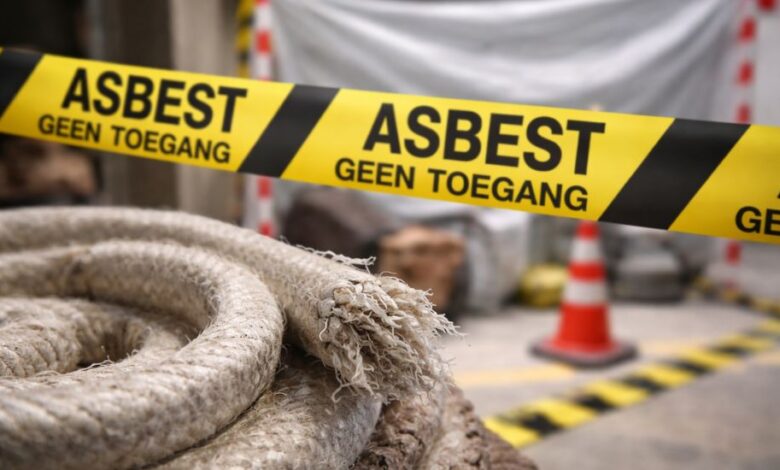
“Asbestlint” is a term used in parts of Europe—particularly in Dutch-speaking regions—to describe materials related to asbestos in strip or tape form. The word combines asbest (asbestos) and lint (strip or tape). Depending on context, it can refer to two distinct things:
-
Asbestos-containing woven tape or rope historically used for insulation, sealing, and heat resistance.
-
Asbestos warning barrier tape (asbest-afzetlint) used to cordon off contaminated areas during asbestos removal.
Understanding the difference is important. One is a hazardous material that may still be present in older buildings and appliances. The other is a safety tool designed to prevent accidental exposure.
In this article, we will explore what asbestlint is, where it was used, the health risks it presents, current regulations, and what to do if you encounter it.
The Historical Use of Asbestos Tape and Rope
For much of the 20th century, asbestos was considered a “miracle mineral.” Its properties made it extremely attractive for industrial and residential use:
-
High heat resistance
-
Excellent insulation capability
-
Fireproof characteristics
-
Chemical durability
-
Flexibility when woven
As a result, asbestos was woven into tapes, ropes, cords, and strips—commonly referred to as asbestlint in construction and industrial contexts.
Common Applications
Asbestlint was frequently used in:
-
Sealing stove and oven doors
-
Wrapping exhaust pipes and flues
-
Insulating boilers and heating systems
-
Electrical panel insulation
-
Gaskets in industrial machinery
-
Chimney and fireplace connections
In older homes, asbestos rope insulation may still be found around wood-burning stoves or furnace doors. In industrial facilities, woven asbestos tape was commonly used to wrap pipes carrying steam or high-temperature fluids.
At the time, the health risks of asbestos were either not widely known or underestimated. By the late 20th century, however, scientific evidence made it clear that asbestos exposure posed serious health threats.
Why Asbestlint Is Dangerous
The danger of asbestlint lies in its fibrous structure. Asbestos consists of microscopic fibers that can become airborne when disturbed. When inhaled, these fibers can lodge in lung tissue and remain there for decades.
Major Health Risks
Exposure to asbestos is linked to:
-
Mesothelioma (a rare but aggressive cancer affecting the lining of the lungs or abdomen)
-
Lung cancer
-
Asbestosis (a chronic lung disease causing scarring)
-
Other respiratory complications
One of the most alarming aspects of asbestos-related diseases is the long latency period. Symptoms may not appear until 20 to 40 years after exposure. This delayed effect makes prevention and awareness critically important.
Importantly, asbestos is most dangerous when it is damaged, cut, sanded, drilled, or deteriorating. Intact material that remains undisturbed poses significantly lower risk. However, aging materials such as old asbestos rope insulation can become brittle and release fibers over time.
Asbest-Afzetlint: The Warning Tape
The second meaning of asbestlint refers to asbestos warning barrier tape, often bright yellow with black lettering stating “ASBEST – GEEN TOEGANG” (Asbestos – No Entry).
This tape is used by licensed asbestos removal contractors to:
-
Mark restricted areas
-
Prevent unauthorized access
-
Alert workers and the public to contamination risks
-
Comply with occupational safety regulations
Unlike woven asbestos tape, this barrier tape does not contain asbestos. It is purely a safety measure designed to reduce accidental exposure.
Regulations and Legal Framework
Due to overwhelming evidence of health risks, asbestos use has been banned or heavily restricted in many countries.
European Union
The European Union has prohibited the use of asbestos in construction and manufacturing. Strict guidelines regulate:
-
Identification of asbestos-containing materials (ACMs)
-
Professional removal procedures
-
Disposal methods
-
Worker protection standards
The Netherlands and Belgium
In the Netherlands, asbestos removal is regulated by environmental and occupational safety authorities. Only certified professionals are permitted to remove certain types of asbestos-containing materials.
Belgium has implemented similar policies, including building assessments and asbestos inventories for older properties.
United States
In the United States, the Environmental Protection Agency (EPA) and the Occupational Safety and Health Administration (OSHA) regulate asbestos exposure in workplaces and schools. Although asbestos is not entirely banned in the U.S., its use is heavily restricted and monitored.
Identifying Asbestlint in Older Buildings
Recognizing potential asbestos materials is not always straightforward. Asbestos rope and tape can resemble other insulation materials.
Possible Signs
-
White, gray, or off-white woven rope around stove doors
-
Fibrous tape wrapping old pipes
-
Brittle insulation material in heating systems
-
Fraying rope seals in fireplaces
However, visual inspection alone is unreliable. Many non-asbestos materials look similar.
The only definitive way to confirm asbestos presence is through laboratory testing of a material sample. Testing should always be conducted by trained professionals to avoid fiber release.
What to Do If You Find Suspected Asbestlint
If you encounter material that you suspect contains asbestos:
-
Do not disturb it.
-
Avoid cutting, sanding, or touching the material.
-
Restrict access to the area.
-
Contact a licensed asbestos inspector or removal specialist.
DIY removal is strongly discouraged and may be illegal in some regions. Improper handling can contaminate the entire property and pose health risks to occupants.
If professional removal is required, contractors typically:
-
Seal the work area
-
Use protective equipment
-
Apply controlled removal methods
-
Double-bag waste in certified containers
-
Dispose of waste at approved facilities
The Environmental and Economic Impact
Beyond health concerns, asbestos contamination can significantly affect property values and renovation costs.
Financial Considerations
-
Inspection and testing fees
-
Removal costs
-
Air monitoring expenses
-
Potential delays in renovation projects
In some cases, discovering asbestos during a property sale can complicate transactions. Many countries now require disclosure of asbestos risks in older buildings.
Public Awareness and Ongoing Challenges
Although asbestos use has declined dramatically, it remains a global issue. Many buildings constructed before the 1990s still contain asbestos materials, including asbestlint.
Renovation projects, demolitions, and natural disasters can disturb previously contained asbestos, leading to renewed exposure risks.
Public education plays a vital role in preventing accidental exposure. Homeowners, contractors, and property managers must remain informed about:
-
Where asbestos may be found
-
How to recognize warning signs
-
Legal responsibilities
-
Safe handling practices
The distinction between asbestos-containing materials and warning tapes also needs clarification, as confusion can lead to either panic or complacency.
The Future: Towards an Asbestos-Free Environment
Many governments aim to eliminate asbestos risks entirely by:
-
Mapping asbestos in public buildings
-
Mandating removal during renovations
-
Supporting safe disposal programs
-
Raising awareness through public campaigns
Technological advancements are also improving asbestos detection methods and protective equipment for workers.
While asbestos may be a relic of past construction practices, its legacy continues to affect modern infrastructure. Awareness, regulation, and responsible management are key to minimizing its long-term impact.
Final Thoughts
Asbestlint represents both a historical building material and a modern warning symbol. The woven asbestos tapes and ropes once praised for their durability are now recognized as significant health hazards. Meanwhile, bright yellow asbestos barrier tape serves as a reminder of the risks and the precautions required.
If you live in or renovate an older property, understanding what asbestlint is—and what it looks like—can protect your health and ensure compliance with regulations. Never ignore potential asbestos materials, and always seek professional guidance when in doubt.
At Technologies Era, we believe informed readers make safer decisions. By understanding materials like asbestlint and their implications, homeowners and professionals alike can contribute to a safer built environment for future generations.
You may also read: Lara La Maison: A Modern Guide to Timeless Interior Design