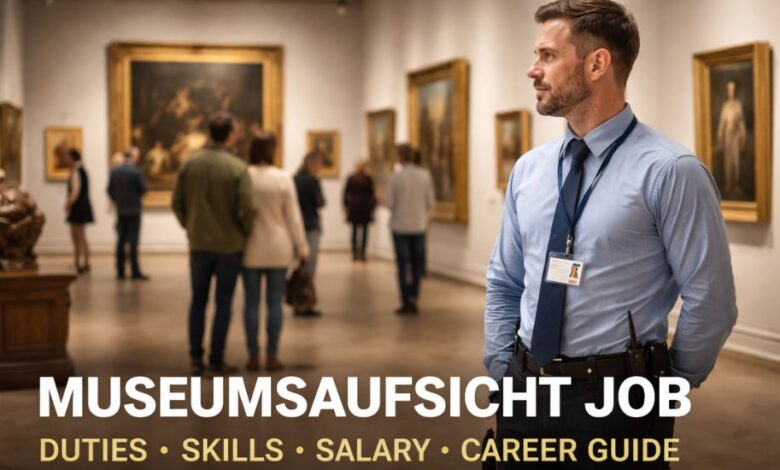
Museums play an important role in preserving history, art, culture, and scientific discoveries. Millions of visitors around the world explore museums every year to learn, experience exhibitions, and connect with cultural heritage. Behind the scenes, many professionals ensure that museums operate smoothly and safely. One of these essential roles is the museumsaufsicht job.
The term Museumsaufsicht comes from German and translates to museum attendant, gallery supervisor, or museum guard. This position is responsible for monitoring exhibitions, ensuring visitor safety, protecting artifacts, and providing assistance to guests. Although it is often considered an entry-level role within museums, it carries significant responsibility and offers opportunities for growth in the cultural sector.
In this article, we will explore what a museumsaufsicht job is, its responsibilities, required skills, salary expectations, and potential career opportunities.
What is a Museumsaufsicht Job?
A museumsaufsicht job refers to a position within a museum where the employee supervises exhibition areas and ensures that both visitors and artifacts remain safe. Museumsaufsicht staff act as the first line of supervision inside galleries. They observe visitor behavior, enforce museum rules, and offer guidance to guests who may need assistance.
This job is commonly found in art museums, historical museums, science museums, cultural heritage sites, and galleries. The role is particularly common in German-speaking countries such as Germany, Austria, and Switzerland, but similar positions exist worldwide under different titles like museum attendant or gallery guard.
Museumsaufsicht staff play a crucial role in creating a welcoming and secure environment. Without their presence, museums would struggle to maintain order and protect valuable collections.
Main Responsibilities of a Museumsaufsicht
The duties of a museumsaufsicht can vary depending on the size and type of museum. However, several core responsibilities are common across most institutions.
Monitoring Exhibition Areas
The primary responsibility of a museumsaufsicht is to supervise exhibition spaces. Staff members keep a close watch on visitors to ensure that museum rules are followed. This includes preventing visitors from touching artifacts, leaning too close to paintings, or entering restricted areas.
Because many museum items are fragile and irreplaceable, constant supervision is necessary to avoid accidental damage.
Protecting Artifacts and Exhibits
Museums often house priceless works of art, historical artifacts, and scientific objects. A museumsaufsicht helps protect these items by observing suspicious behavior and responding quickly if someone attempts to damage or steal an exhibit.
Although many museums have advanced security systems such as cameras and alarms, human supervision remains an essential layer of protection.
Assisting Visitors
Another important part of the museumsaufsicht job is interacting with visitors. Museum attendants frequently answer questions, provide directions, and help guests find specific exhibits or galleries.
Visitors often approach museum staff for information about opening hours, exhibit locations, or museum rules. Friendly communication helps create a positive visitor experience and encourages people to enjoy their time at the museum.
Enforcing Museum Rules
Museums typically have rules to protect exhibits and maintain a comfortable environment for all visitors. Museumsaufsicht staff ensure that these rules are followed. Common rules include:
-
No touching artwork or artifacts
-
No flash photography
-
No food or drinks inside exhibition areas
-
Maintaining quiet behavior in certain sections
When visitors unintentionally break these rules, attendants politely remind them of museum guidelines.
Managing Visitor Flow
During busy periods, museums can become crowded. Museumsaufsicht staff may help manage visitor flow by guiding guests through different exhibition areas. This helps prevent overcrowding and ensures that everyone has a chance to view the exhibits comfortably.
Responding to Emergencies
In case of emergencies such as fire alarms, medical incidents, or evacuations, museumsaufsicht staff assist in guiding visitors to safety. They often follow emergency procedures established by the museum and coordinate with security personnel or emergency services.
Skills Required for a Museumsaufsicht Job
Although the position may not always require advanced academic qualifications, several important skills are necessary to perform the job effectively.
Observation and Attention to Detail
Museumsaufsicht employees must remain alert and attentive while monitoring galleries. They need to notice unusual behavior quickly and respond before problems occur.
Strong Communication Skills
Since the job involves interacting with visitors from different backgrounds, good communication skills are essential. Staff members should be able to explain museum rules politely and assist visitors with their questions.
Customer Service Ability
Museums aim to provide educational and enjoyable experiences. A friendly and helpful attitude helps create a welcoming atmosphere for guests.
Patience and Professionalism
Visitors may sometimes ignore rules or behave impatiently. Museumsaufsicht staff must remain calm and professional while addressing these situations.
Physical Stamina
Many museum attendants spend several hours standing or walking through exhibition halls. Physical endurance is therefore important for performing the job comfortably.
Educational Requirements and Qualifications
The museumsaufsicht job is often considered an entry-level role in the museum sector. In many cases, the minimum requirement is a high school diploma or equivalent education.
However, some employers prefer candidates with backgrounds in areas such as:
-
Art history
-
Cultural studies
-
History
-
Tourism or hospitality
Experience in customer service or security roles can also be beneficial. In some regions, especially in Germany, museums may require a basic security certification or training to ensure that attendants understand safety procedures.
Language skills can also be valuable. Museums that attract international tourists may prefer candidates who speak multiple languages.
Working Environment
Museumsaufsicht staff typically work indoors in museum galleries or exhibition halls. The environment is generally quiet and organized, but it requires constant attentiveness.
Working hours often include:
-
Weekends
-
Public holidays
-
Rotating shifts
Because museums receive many visitors during weekends and holiday seasons, staff schedules are often designed to accommodate these busy periods.
The job may also involve standing for extended periods, monitoring multiple rooms, or moving between exhibition areas throughout the day.
Salary Expectations
The salary for a museumsaufsicht job can vary depending on location, museum size, and experience level. In many European countries, particularly Germany, the average monthly salary ranges from approximately €1,800 to €2,300.
Some positions are paid hourly, with wages averaging around €14 to €16 per hour depending on the institution.
Larger museums or government-funded cultural institutions may offer additional benefits such as:
-
Paid holidays
-
Training opportunities
-
Pension contributions
-
Staff access to exhibitions or events
Although the starting salary may be modest, the job can serve as a stepping stone to other roles within the museum industry.
Career Opportunities and Advancement
Many people begin their careers in museums through a museumsaufsicht job. With experience and additional education, employees may move into more specialized positions.
Possible career paths include:
-
Visitor Services Supervisor
-
Museum Guide or Educator
-
Exhibition Assistant
-
Museum Administrator
-
Security Supervisor
Those who pursue higher education in fields such as museum studies, art history, or cultural management may eventually advance into curatorial or managerial roles.
The museumsaufsicht position provides valuable experience in museum operations and visitor engagement, making it an excellent starting point for individuals interested in working in cultural institutions.
Advantages and Challenges of the Job
Like any profession, the museumsaufsicht job has both benefits and challenges.
Advantages
One of the biggest advantages is the opportunity to work in a cultural environment surrounded by art, history, and educational exhibits. Many employees enjoy interacting with visitors from different countries and learning new things about exhibitions.
The job can also provide a calm and structured workplace compared to many other customer service roles.
Challenges
However, the role can also be physically demanding due to long hours of standing. The salary may not be very high in entry-level positions, and employees must sometimes handle difficult visitor situations or crowded exhibitions.
Despite these challenges, many people find the work rewarding because it contributes to the preservation and presentation of cultural heritage.
Final Thoughts
The museumsaufsicht job is a vital role in the museum world. These professionals ensure that exhibitions remain safe, visitors are guided properly, and museum rules are respected. While it may be an entry-level position, it offers valuable experience and insight into museum operations.
For individuals who enjoy art, history, and interacting with people, this job can be both fulfilling and educational. It can also serve as the first step toward a long-term career in the cultural and museum sector.
As cultural institutions continue to attract visitors from around the world, the importance of attentive and knowledgeable museum attendants will remain essential. For readers interested in learning more about careers, technology, and professional opportunities, platforms like Technologies Era provide useful insights and informative content on emerging topics and industries.