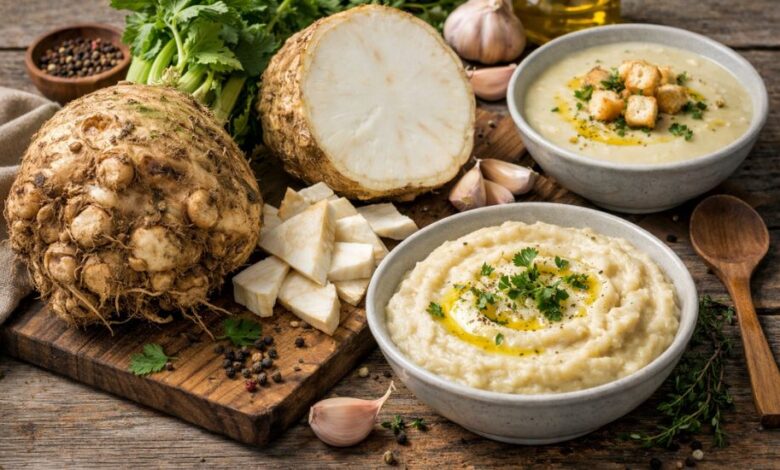
In recent years, traditional vegetables have made a powerful comeback as people rediscover whole foods and regional ingredients. Among these, pravi celer—often translated as “true celery”—has gained attention in food blogs, wellness discussions, and culinary communities. While many are familiar with the crisp green stalks of everyday celery, pravi celer refers either to the whole, traditionally grown celery plant or more specifically to celeriac, the root variety of Apium graveolens.
This earthy, knobby root may not win beauty contests, but it has long been valued for its deep flavor, nutritional density, and versatility in cooking. From rustic Eastern European kitchens to modern health-conscious households, pravi celer is proving that humble vegetables can deliver exceptional taste and nourishment.
What Is Pravi Celer?
Botanically, celery belongs to the species Apium graveolens. Within this species, different cultivated varieties exist. The familiar crunchy stalk celery is one form, while celeriac—often called celery root—is another variety grown primarily for its bulbous root.
The phrase “pravi celer” is commonly used in parts of Central and Eastern Europe to emphasize authenticity or traditional cultivation. In many contexts, it refers specifically to celeriac, which is considered more robust in flavor compared to commercially bred stalk celery. Unlike the watery crunch of standard celery stalks, pravi celer root offers a dense, slightly nutty, and earthy taste that intensifies when cooked.
Though its rough, soil-covered exterior might look intimidating, inside lies a creamy white flesh that becomes tender and subtly sweet when roasted or boiled.
Historical and Cultural Roots
Celery has a long and fascinating history. Ancient Egyptians used wild celery for ceremonial purposes, while the Greeks and Romans valued it for both culinary and medicinal applications. Over time, selective cultivation gave rise to different varieties, including the root form known today as celeriac.
In Eastern European cuisine, pravi celer holds a special place. It is a staple ingredient in soups, stews, stocks, and salads. Traditional households often used the entire plant—root, leaves, and stalks—ensuring nothing went to waste. This whole-plant philosophy aligns perfectly with modern sustainability movements that encourage nose-to-tail and root-to-leaf cooking.
In countries such as Poland, Serbia, Croatia, and Germany, celeriac is commonly featured in winter dishes. Its ability to store well through cold months made it an essential vegetable long before refrigeration existed.
Nutritional Profile of Pravi Celer
One reason for the renewed popularity of pravi celer is its impressive nutritional value. Though low in calories, it provides a range of essential nutrients.
Key Nutritional Highlights:
-
Low calorie density – Suitable for weight-conscious diets.
-
High fiber content – Supports digestion and gut health.
-
Vitamin K – Important for blood clotting and bone health.
-
Vitamin C – Contributes to immune function.
-
Potassium – Supports heart health and fluid balance.
-
Antioxidants – Contains compounds like apigenin and luteolin.
Because it is rich in fiber but relatively low in carbohydrates compared to potatoes, celeriac is often used as a substitute in low-carb or keto-friendly diets.
Health Benefits of Pravi Celer
While no single vegetable is a miracle cure, pravi celer offers several evidence-backed advantages when included in a balanced diet.
1. Supports Digestive Health
The fiber content in celeriac aids regular bowel movements and supports beneficial gut bacteria. A healthy digestive system is closely linked to overall well-being, immunity, and even mood.
2. Anti-Inflammatory Properties
Celery varieties contain antioxidants such as flavonoids that may help combat oxidative stress. These compounds are associated with reduced inflammation in the body, which plays a role in preventing chronic diseases.
3. Heart Health Support
With its potassium content and low sodium levels (naturally occurring), pravi celer can contribute to maintaining healthy blood pressure levels. Potassium helps counterbalance sodium’s effects on blood vessels.
4. Bone Strength
Thanks to its vitamin K content, pravi celer supports bone mineralization and blood clotting functions.
5. Weight Management Friendly
Low in calories but satisfying due to its fiber content, celeriac works well in calorie-controlled meal plans. Its creamy texture makes it an excellent alternative to heavier starches.
Culinary Uses of Pravi Celer
One of the greatest strengths of pravi celer is its versatility in the kitchen. It can be eaten raw or cooked and adapts to a wide range of recipes.
Raw Preparations
When grated or thinly sliced, celeriac delivers a crisp texture with a mildly peppery flavor. It is often used in:
-
Celeriac slaw with lemon and mustard dressing
-
Fresh salads combined with apples and walnuts
-
Shaved root salads with olive oil and herbs
To prevent browning, freshly cut celeriac should be placed in water with a little lemon juice.
Cooked Dishes
Cooking transforms the sharp flavor into a gentle sweetness.
Popular preparations include:
-
Celeriac purée – A smooth alternative to mashed potatoes
-
Roasted celeriac cubes – Caramelized and golden
-
Creamy soups – Blended with onions, garlic, and vegetable broth
-
Root vegetable medleys – Combined with carrots and parsnips
Celeriac also enhances stocks and broths, adding depth and aroma.
How to Select and Store Pravi Celer
Choosing quality celeriac is simple once you know what to look for.
Selection Tips:
-
Pick a firm, heavy root.
-
Avoid soft spots or excessive cracks.
-
Smaller to medium-sized roots often have better texture.
Storage Tips:
-
Store unpeeled celeriac in the refrigerator for up to two weeks.
-
Once peeled, wrap tightly and refrigerate.
-
It can also be blanched and frozen for longer storage.
Proper storage preserves both texture and flavor.
Growing Pravi Celer at Home
For gardening enthusiasts, growing celeriac can be rewarding. It prefers cool climates and nutrient-rich soil. The growing season is longer than regular celery, typically requiring about 120 days to mature fully.
Because it thrives in moist soil, consistent watering is crucial. When harvested at the right time, the root should be about the size of a grapefruit.
Homegrown pravi celer often has a stronger aroma and flavor than store-bought varieties.
Pravi Celer vs. Regular Celery
Many people wonder about the difference between celeriac and common celery stalks.
| Feature | Pravi Celer (Celeriac) | Stalk Celery |
|---|---|---|
| Primary Use | Root vegetable | Crunchy stalks |
| Texture | Dense, creamy when cooked | Crisp and watery |
| Flavor | Earthy, nutty | Fresh, mild |
| Carb Content | Lower than potatoes | Very low |
| Storage Life | Long-lasting | Shorter shelf life |
While both come from the same species, they serve different culinary purposes.
Sustainability and Whole-Plant Cooking
In an era focused on reducing food waste, pravi celer aligns beautifully with sustainable practices. The leaves can be used as herbs, the stalks in soups, and the root as a main ingredient. Nothing needs to be discarded.
This whole-plant approach reflects traditional European cooking methods, where maximizing resources was essential.
Modern Trends and Renewed Popularity
The surge in plant-based eating and interest in traditional foods has helped bring pravi celer back into the spotlight. Social media platforms and food bloggers frequently highlight it as:
-
A gluten-free alternative
-
A low-carb staple
-
A farm-to-table favorite
-
A heritage vegetable
Its earthy flavor pairs well with modern minimalist cooking styles that emphasize natural ingredients.
Final Thoughts
Pravi celer may not look glamorous, but its value lies in its depth of flavor, nutritional profile, and cultural significance. Whether used in comforting winter soups, silky purées, or crisp salads, this traditional vegetable deserves recognition beyond its humble appearance.
As modern kitchens continue to embrace whole foods and sustainable ingredients, pravi celer stands as a symbol of both tradition and innovation. By incorporating it into daily meals, cooks can experience a vegetable that bridges ancient history with contemporary wellness trends.
For more insights into traditional foods, culinary trends, and modern lifestyle topics, readers can explore informative articles on Technologies Era, where innovation meets everyday living.
You may also read: Rayan Bakery – Fresh Taste & Sweet Moments