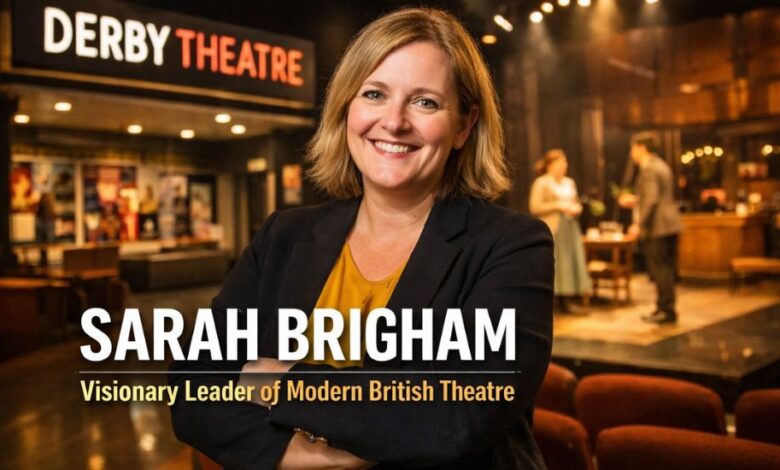
Sarah Brigham has emerged as one of the most influential figures in contemporary British regional theatre, known for her innovative leadership, commitment to education, and passion for making the arts accessible to diverse audiences. Over the past decade, she has played a major role in reshaping how theatre organizations operate, blending professional productions with community engagement and learning initiatives. As Artistic Director and Chief Executive of Derby Theatre, Brigham has built a reputation as a forward-thinking creative leader whose work reflects both artistic excellence and social impact.
Early Life and Creative Influences
Sarah Brigham’s journey into the world of theatre began at a young age, growing up in Yorkshire where exposure to drama and storytelling sparked her curiosity about performance. Like many creative leaders, her early experiences in school theatre programs helped shape her understanding of the stage as a place for expression and collaboration. These formative years inspired her to pursue formal training in the arts, eventually studying performing arts and English literature at university.
Her academic background combined practical performance skills with a strong literary foundation, allowing her to develop a unique perspective on storytelling. Rather than focusing solely on acting, Brigham became interested in directing and arts leadership, recognizing that she could influence entire creative teams and bring meaningful narratives to life for wider audiences.
Building a Career in Theatre
Before stepping into major leadership roles, Sarah Brigham gained extensive experience across different areas of the theatre industry. She worked as an actor, educator, and director, building a well-rounded understanding of how productions function both on stage and behind the scenes. These early roles helped her develop strong collaborative skills, something that would later become central to her leadership style.
One of her early notable positions was at York Theatre Royal, where she contributed to youth theatre programs. Here, she discovered the importance of nurturing emerging talent and creating opportunities for young people to engage with performance. Her work in youth theatre emphasized mentorship and creativity, laying the groundwork for the educational focus that would define her later career.
Brigham also held roles at Dundee Rep Theatre, where she worked closely with artists and production teams to develop innovative performances. This period allowed her to refine her artistic voice and deepen her understanding of regional theatre dynamics in the UK. By the time she moved into senior leadership roles, she had already built a strong reputation as a creative professional who valued inclusivity and experimentation.
Artistic Leadership at The Point, Eastleigh
Before joining Derby Theatre, Sarah Brigham served as Artistic Director at The Point in Eastleigh. During her time there, she played a key role in transforming the venue into a vibrant hub for contemporary performance and artist development. She focused on supporting new voices, encouraging collaboration between artists, and creating programming that appealed to both traditional theatre audiences and younger generations.
Her leadership at The Point demonstrated her ability to balance artistic ambition with practical management. She helped expand the venue’s reach through innovative programming while maintaining a strong connection to the local community. These achievements positioned her as a rising leader in the UK arts sector and set the stage for her next major role.
Transforming Derby Theatre
In 2013, Sarah Brigham became Artistic Director of Derby Theatre, later also taking on the position of Chief Executive. At the time, the theatre faced significant challenges, including financial pressures and the need to redefine its identity within a competitive cultural landscape. Brigham approached this challenge with a clear vision: to create a “Learning Theatre” model that integrated professional productions with educational programs and community involvement.
Under her leadership, Derby Theatre underwent a remarkable transformation. She strengthened partnerships with universities and educational institutions, allowing students and emerging artists to gain hands-on experience within a professional theatre environment. This approach not only supported talent development but also attracted new audiences who felt more connected to the theatre’s mission.
Brigham also prioritized diverse storytelling, ensuring that productions reflected a wide range of perspectives and experiences. By encouraging collaboration between artists, educators, and community groups, she created an environment where theatre became a shared cultural space rather than an exclusive institution.
Artistic Philosophy and Creative Vision
A defining aspect of Sarah Brigham’s career is her commitment to using theatre as a platform for social dialogue and creative exploration. She believes that the arts should be accessible to everyone, regardless of background or experience, and has consistently worked to remove barriers that might prevent people from engaging with live performance.
Her artistic philosophy emphasizes collaboration and mentorship. Instead of focusing solely on traditional hierarchies within theatre production, she encourages collective creativity, allowing artists, students, and community members to contribute to the storytelling process. This inclusive approach has helped Derby Theatre build a reputation as a welcoming and innovative cultural space.
Brigham’s work also highlights the importance of nurturing emerging talent. Through workshops, training programs, and partnerships with educational institutions, she has helped create pathways for young artists to enter the professional theatre world. Many industry observers credit her with helping to shape the next generation of creative voices in British theatre.
Achievements and Industry Recognition
Over the years, Sarah Brigham’s contributions to the arts have earned significant recognition. Her leadership has been praised for revitalizing regional theatre and demonstrating how cultural organizations can remain sustainable while prioritizing creativity and community engagement. Derby Theatre’s inclusion in major arts funding programs and its growing national reputation reflect the success of her strategic vision.
Industry commentators often highlight her ability to combine artistic excellence with practical management skills. She has navigated financial challenges, expanded audience engagement, and strengthened partnerships with local organizations, all while maintaining a strong creative identity for the theatre.
Beyond institutional achievements, Brigham’s influence extends to broader conversations about the role of the arts in society. She has contributed to discussions about arts funding, cultural accessibility, and the importance of supporting regional venues outside major metropolitan areas.
Impact on Modern Theatre
Sarah Brigham’s impact on modern theatre lies in her ability to reimagine what a regional theatre can be. Rather than viewing theatre solely as a place for performances, she has positioned it as a dynamic learning environment that fosters creativity, education, and community connection. Her work demonstrates that regional theatres can thrive by embracing innovation and collaboration.
Many arts professionals see her leadership as a model for the future of cultural organizations. By integrating education, mentorship, and professional production, she has created a sustainable approach that balances artistic ambition with social responsibility. This model continues to influence how theatres across the UK and beyond think about their role within communities.
Legacy and Continuing Influence
As Sarah Brigham continues to shape the direction of Derby Theatre and contribute to the broader arts sector, her legacy is already evident in the countless artists, students, and audiences who have benefited from her work. Her career reflects a deep belief in the power of storytelling to bring people together and inspire meaningful change.
In recent years, discussions about leadership in the arts have increasingly focused on adaptability and inclusivity — qualities that define Brigham’s approach. By embracing new ideas while respecting the traditions of theatre, she has helped ensure that live performance remains relevant in a rapidly changing cultural landscape.
As highlighted on platforms like Technologies Era, her journey illustrates how visionary leadership and a commitment to community can transform not only a single theatre but also the broader perception of what regional arts organizations can achieve. Her story continues to inspire emerging creatives and arts leaders who aim to combine artistic innovation with meaningful social impact.
You may also read: Anya Reeve – Writer, Curator and Creative Collaborator