EEG Tech Career Guide: Salary, Job Description, and Certification Explained

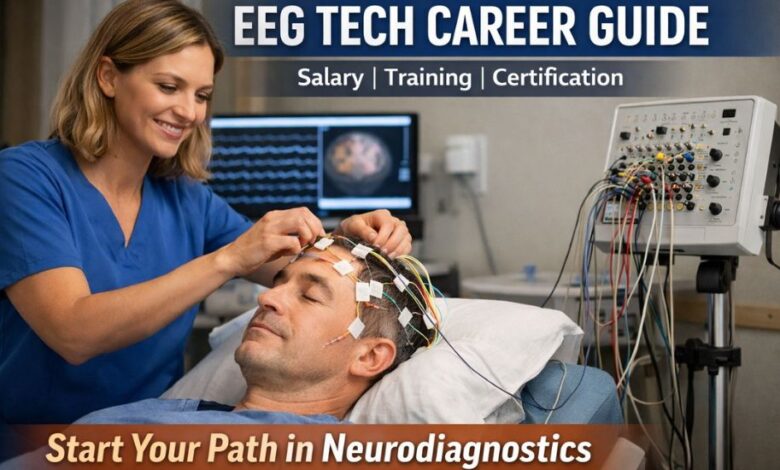
As medical technology continues to evolve, healthcare professionals are constantly in demand. Among the emerging and growing professions within healthcare, the role of the EEG Technician is gaining substantial attention. EEG technicians (also called electroencephalographic technologists or EEG techs) play a vital role in diagnosing neurological disorders by conducting tests that monitor brain activity. In this comprehensive guide, we will explore the EEG Technician salary, job description, courses and training, certification programs, and much more.
What Is an EEG Technician?
An EEG Technician is a trained healthcare professional who specializes in operating equipment used to measure and monitor brain activity. The primary role of an EEG tech is to conduct electroencephalograms (EEGs), a non-invasive procedure used to evaluate brain function by recording the electrical activity of the brain through electrodes attached to the scalp. These tests are vital in diagnosing various neurological conditions, including epilepsy, sleep disorders, head injuries, and seizures.
EEG technicians work in settings such as hospitals, specialized neurological clinics, outpatient neurodiagnostic labs, and epilepsy monitoring units. They often work under the supervision of neurologists or other specialists to collect and analyze data, ultimately contributing to crucial diagnoses and treatment plans.
EEG Technician Job Description
The role of an EEG Technician is dynamic, requiring a mix of technical expertise, patient interaction, and attention to detail. Here are some of the core responsibilities an EEG tech holds:
-
Preparation and Positioning of Patients: EEG techs must ensure that patients are comfortable and prepared for the procedure, which includes explaining the process and positioning them correctly to get accurate readings.
-
Electrode Placement: The EEG tech attaches small electrodes to the scalp of the patient using a conductive paste or gel. These electrodes record brain activity as electrical impulses.
-
Operating EEG Equipment: The technician operates EEG machines to monitor brain activity and records the data for later analysis by physicians.
-
Data Analysis: While most analysis is performed by neurologists, EEG techs may be required to review the data for any obvious abnormalities.
-
Maintaining Equipment: EEG technicians are also responsible for the regular maintenance of EEG equipment, ensuring the machines are in optimal working condition.
-
Patient Monitoring: During tests, EEG technicians closely monitor the patient and adjust the equipment to ensure that the readings are accurate.
This role is crucial for diagnosing neurological conditions and providing accurate, real-time data for further medical analysis.
How Long Does It Take to Become an EEG Technician?
Becoming an EEG Technician typically involves formal education, hands-on clinical training, and certification. The timeline can vary depending on the type of education path a person chooses. Here’s a breakdown of the different educational routes:
-
Certificate Programs (12–18 months):
Certificate programs in EEG technology are often offered by community colleges, technical schools, or healthcare institutions. These programs focus on hands-on training and are typically completed in 1 to 1.5 years. They provide essential skills and prepare students for certification exams. -
Associate Degree Programs (2 years):
Associate degrees in neurodiagnostic technology or electroencephalography typically take about two years to complete. These programs include both coursework and clinical training, giving students a more comprehensive understanding of neurodiagnostic procedures. -
Bachelor’s Degree (4 years):
A few schools offer bachelor’s degree programs in neurodiagnostic technology. These programs are more comprehensive and typically include advanced coursework, as well as more intensive clinical training. Earning a bachelor’s degree usually takes about four years.
Thus, the timeline to become an EEG technician depends on the path chosen, ranging from 1 year (certificate programs) to 2-4 years (associate to bachelor’s degrees).
EEG Technician Certification Programs
While certification is not strictly required to become an EEG technician, it is highly recommended and often preferred by employers. Certification shows that the technician is proficient in EEG technology and understands the protocols involved in conducting tests.
The American Board of Registration of Electroencephalographic and Evoked Potential Technologists (ABRET) offers the Registered EEG Technologist (R. EEG T.) certification. To obtain this certification, candidates must meet the following requirements:
-
Complete an accredited EEG technician program (such as a certificate or associate degree).
-
Obtain sufficient clinical experience (usually about 18–24 months of training).
-
Pass the certification exam administered by ABRET.
Certification is not a one-time process, as EEG technicians must maintain their certification through continuing education to keep up with new developments in the field. This makes it a lifelong learning profession, ensuring that practitioners remain competent in their roles.
EEG Technician Salary
One of the key factors that attract individuals to this profession is the salary potential. The EEG Technician salary can vary based on several factors, including geographical location, level of experience, certification, and the type of healthcare facility employed at.
-
Average Salary: The average salary for an EEG technician in the United States is around $56,000 per year, or approximately $29 per hour. However, salaries can range from as low as $40,000 per year for entry-level positions to as high as $70,000 or more for those with several years of experience and certification.
-
Regional Variations: Like most healthcare roles, the salary for EEG technicians can vary significantly based on location. For example, technicians working in larger cities or more specialized hospitals might earn higher salaries due to the higher cost of living and demand for specialized skills.
-
Certifications: Technicians who hold certifications such as the R. EEG T. typically earn more than those without certification. Additionally, those with specialized experience or who work in supervisory roles may also receive higher compensation.
EEG Technician Jobs
The demand for EEG technicians has been steadily increasing, largely due to the growing need for neurological diagnostic testing. The increasing awareness and diagnosis of neurological disorders such as epilepsy, Alzheimer’s, sleep apnea, and other brain-related conditions have led to more job opportunities for EEG technicians.
EEG techs can find job opportunities in several settings:
-
Hospitals: EEG techs are employed in hospitals, especially in departments that specialize in neurology or epilepsy monitoring units (EMU).
-
Clinics: Many neurologists and sleep disorder clinics rely on EEG technicians to perform tests in outpatient settings.
-
Research: EEG technicians may work in research settings, assisting with studies that involve brain activity and neurological conditions.
The job outlook for EEG technicians is positive, with the U.S. Bureau of Labor Statistics projecting 5% growth in employment for diagnostic medical sonographers and other similar roles between 2021 and 2031.
EEG Technician vs. Neurodiagnostic Technologist
While the roles of EEG Technician and Neurodiagnostic Technologist share similarities, they are not identical. The primary distinction lies in the breadth of responsibilities. EEG techs focus primarily on EEG procedures, whereas neurodiagnostic technologists are trained in multiple diagnostic methods, such as:
-
EEG (Electroencephalogram)
-
Evoked Potentials (EPs)
-
Polysomnography (Sleep Studies)
-
Nerve Conduction Studies (NCS)
Neurodiagnostic technologists are highly trained and certified to perform all the tests mentioned above, which means they have a broader range of expertise compared to EEG techs, who typically specialize in EEG procedures only.
Conclusion
The career of an EEG Technician offers a rewarding path for those interested in healthcare technology. With competitive salaries, a positive job outlook, and opportunities for growth, becoming an EEG technician can be a fulfilling career choice. Whether you’re looking to start in a certificate program or pursuing a more comprehensive associate degree, EEG techs can enjoy a meaningful role in patient care while working with cutting-edge technology.
If you’re passionate about brain health and want to make a difference in the lives of patients, becoming an EEG technician is a great way to enter the medical field.
Blog Source: “Technologies Era”
You may also read: Cath Lab Tech Career Guide: Salary, Education, and Job Outlook