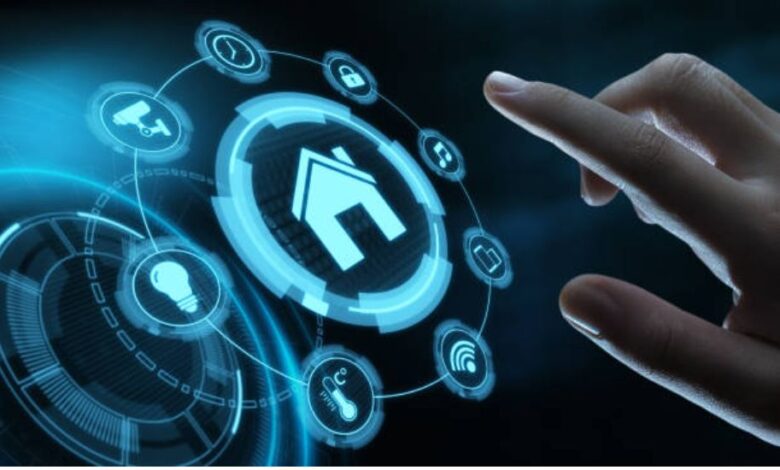
Smart home technology is no longer a futuristic concept limited to luxury homes or tech enthusiasts. It is rapidly becoming a part of everyday life, reshaping how people live, work, relax, and interact with their surroundings. From voice-controlled lighting to AI-powered security systems, smart home technology is transforming houses into intelligent living environments. As adoption grows worldwide, it is clear that smart homes are not just about convenience—they are about improving quality of life, safety, sustainability, and accessibility. This article explores how smart home technology will change lives in meaningful and lasting ways.
The Evolution of Smart Home Technology
In its early stages, smart home technology focused on basic automation—simple remote-controlled lights or programmable thermostats. Today, it has evolved into a connected ecosystem powered by artificial intelligence, machine learning, sensors, and cloud computing. Devices now communicate with each other, learn user habits, and make decisions automatically.
This evolution marks a shift from manual control to intelligent assistance. Smart homes are becoming proactive rather than reactive, anticipating needs instead of waiting for commands. This transformation is at the heart of how smart home technology will change lives in the coming years.
Everyday Convenience and Time Savings
One of the most immediate ways smart home technology changes lives is through convenience. Automated routines can manage daily tasks seamlessly. Lights turn on when you enter a room, coffee starts brewing before you wake up, and thermostats adjust based on your schedule.
Voice assistants and mobile apps allow homeowners to control multiple devices from a single interface. This reduces mental load and saves time, especially for busy professionals and families. Over time, these small conveniences add up, freeing people to focus on work, family, and personal well-being rather than household management.
Improved Energy Efficiency and Sustainability
Energy efficiency is one of the strongest arguments for smart home adoption. Smart thermostats, lighting systems, and energy monitors optimize energy use by learning patterns and adjusting automatically. For example, heating and cooling systems can reduce output when no one is home, while smart lighting ensures lights are never left on unnecessarily.
These improvements lead to lower energy bills and reduced environmental impact. As energy costs rise globally, smart home technology offers a practical solution for sustainable living. This shift not only benefits individual households but also contributes to broader environmental goals, making sustainability a key reason how smart home technology will change lives on a global scale.
Enhanced Home Security and Peace of Mind
Home security has been revolutionized by smart technology. Smart locks, video doorbells, motion sensors, and real-time alerts provide homeowners with constant awareness of their property. Whether someone is at work or traveling, they can monitor their home remotely and respond instantly to potential threats.
Advanced systems now use AI to distinguish between normal activity and suspicious behavior, reducing false alarms. This level of security brings peace of mind, especially for families, elderly individuals, and those living alone. Feeling safe in one’s own home has a profound impact on quality of life, reinforcing the importance of smart home technology.
Health, Wellness, and Indoor Living Quality
Smart home technology is increasingly focused on health and wellness. Indoor air quality monitors, smart purifiers, humidity sensors, and temperature controls help maintain healthier living environments. These features are especially valuable for people with allergies, asthma, or other respiratory conditions.
Sleep quality can also improve through smart lighting and climate systems that adjust to natural circadian rhythms. Some smart homes integrate wellness routines, such as morning light simulations or calming nighttime scenes. As homes become more attuned to human needs, the link between technology and well-being grows stronger.
Supporting Aging in Place and Accessibility
One of the most transformative impacts of smart home technology is its role in accessibility and independent living. Elderly individuals and people with disabilities can benefit greatly from automation and monitoring systems. Voice-controlled devices, automated doors, fall detection sensors, and emergency alerts make daily living safer and more manageable.
Caregivers and family members can remotely check in without being intrusive, offering reassurance to both sides. This ability to age in place comfortably and safely highlights how smart home technology will change lives by promoting independence and dignity.
Transforming Work-from-Home Experiences
As remote and hybrid work become permanent for many, smart homes are adapting to support productivity. Smart lighting can adjust brightness and color temperature for focus, while noise control systems and climate optimization create ideal working conditions.
Automated schedules help separate work and personal life, reducing burnout. For professionals spending long hours at home, these improvements make a noticeable difference in comfort and efficiency. Smart homes are evolving into adaptable environments that support multiple lifestyles within a single space.
The Role of Artificial Intelligence and Automation
Artificial intelligence is the backbone of modern smart home systems. AI enables devices to learn user behavior, predict preferences, and automate decisions. Over time, the home becomes more personalized, adjusting itself without constant input.
This shift toward ambient, background intelligence is what truly defines the future of smart living. Homes will no longer require active management; instead, they will respond naturally to occupants’ needs. This seamless integration of technology into daily life is a defining factor in how smart home technology will change lives.
Challenges and Concerns to Address
Despite its benefits, smart home technology also raises concerns. Privacy and data security remain major issues, as connected devices collect large amounts of personal information. Users must rely on strong encryption, transparent policies, and responsible manufacturers to protect their data.
Cost is another barrier. While prices are decreasing, comprehensive smart home setups can still be expensive. Interoperability between devices from different brands can also be challenging. Addressing these concerns is essential for widespread adoption and trust in smart home ecosystems.
The Future of Smart Living
Looking ahead, smart homes will become more intuitive, affordable, and interconnected. Advances in AI, local processing, and standardization will reduce complexity and improve reliability. Smart technology will move from being an optional upgrade to a standard feature of modern housing.
As cities grow smarter and sustainability becomes a priority, smart homes will play a central role in shaping future lifestyles. The transformation is not just technological—it is social, environmental, and deeply human.
Final Thoughts
Smart home technology is redefining what it means to feel comfortable, safe, and empowered at home. By improving convenience, security, health, and sustainability, it touches nearly every aspect of daily life. As innovation continues, the impact will only grow stronger. Platforms like Technologies Era continue to explore and highlight how emerging technologies, including smart homes, are shaping the future of modern living.
You may also read: Tech Giants Envision Future Beyond Smartphones